
⚙️ Scooter Drinks Its Own Sun

Hi, Hardwirers!
We taught objects to see, feel, sleep, heal, and camouflage themselves, then called it product design.
Scooter Drinks Its Own Sun

What is it: Otherlab's Lightfoot turns a two-seat cargo scooter into a tiny solar commuter. Its clamshell body carries two 120-watt panels that can add up to 18 miles of range per sunny day, while dual 750-watt hub motors, a 45.2-liter lockable trunk, regenerative braking, and a $4,995 price make errands feel partly off-grid for local neighborhood runs. Read more →
Casio Shrinks the Smartwatch
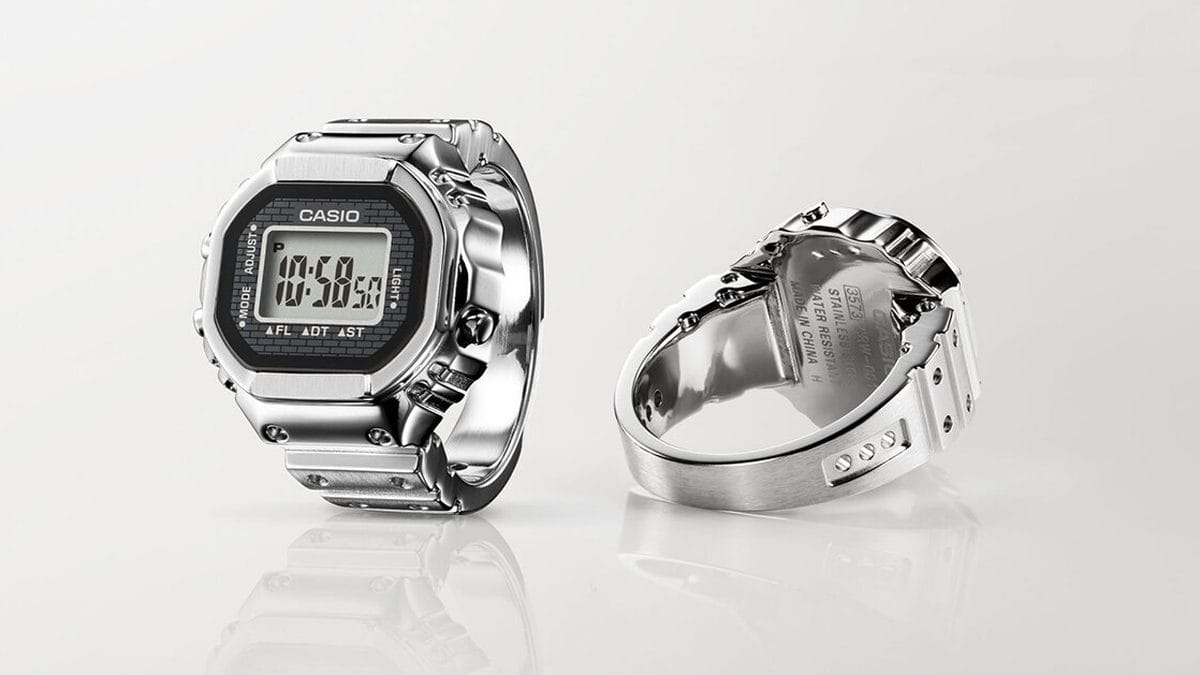
What is it: Casio's CRW-H001 turns its novelty ring watch into a real smart wearable for China. The full-metal ring keeps digital timekeeping but adds health sensors, activity tracking, heart rate, blood oxygen, body temperature, sleep data, smartphone notifications, and low-power vibration alerts, squeezing a surprising amount of smartwatch behavior into something worn on a finger without a wrist. Read more →
Schools Leave Chromebooks Behind

What is it: Apple says some U.S. school districts are replacing Chromebooks and Windows laptops with MacBooks by the thousands. The shift, highlighted during Apple's earnings call and echoed in Yahoo Finance's Benzinga story, frames the MacBook Neo as a classroom hardware upgrade rather than a luxury device, changing the old cheap-laptop logic of school tech at district scale. Read more →
Tongues Become Trackpads
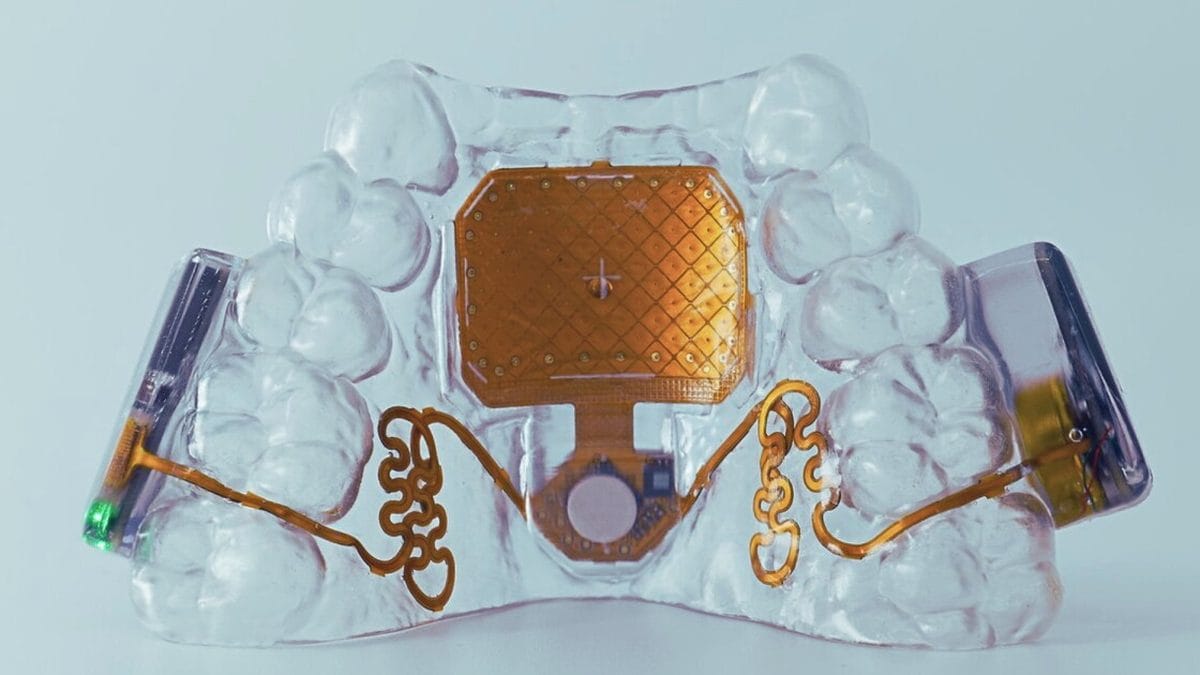
What is it: Augmental's MouthPad is a custom oral controller that turns the tongue into a wireless trackpad. The slim dental-resin device sits over the upper teeth, connects by Bluetooth, and lets users move a cursor, click, scroll, and swipe through tongue gestures and head motion, giving people with limited mobility a hands-free way to control devices every day. Read more →
SUV Pops a Bedroom

What is it: China's Stelato G9 turns a luxury SUV into a factory-built camper with one button. The Huawei-backed BAIC vehicle hides a rooftop tent inside its roofline, opens a side awning from the same system, and pairs the camping trick with electric or extended-range powertrains, making overlanding feel less like aftermarket gear and more like software by default. Read more →
Robotaxi Loses the Wheel
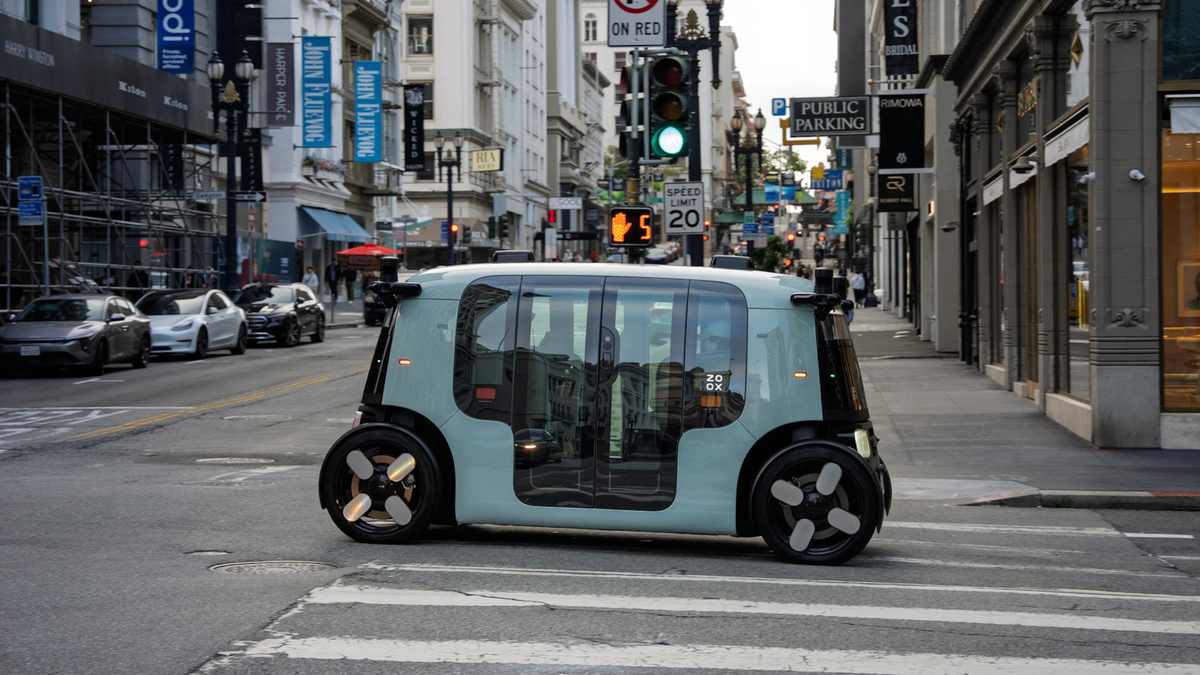
What is it: Amazon's Zoox received U.S. approval to charge for rides in a robotaxi built without a steering wheel, pedals, or traditional manual controls. The boxy vehicle, closer to a tiny tram than a normal car, can begin paid service under a federal exemption, pushing purpose-built autonomous transport from demo streets toward commercial passengers on city roads. Read more →
Underwater Skin Heals Itself
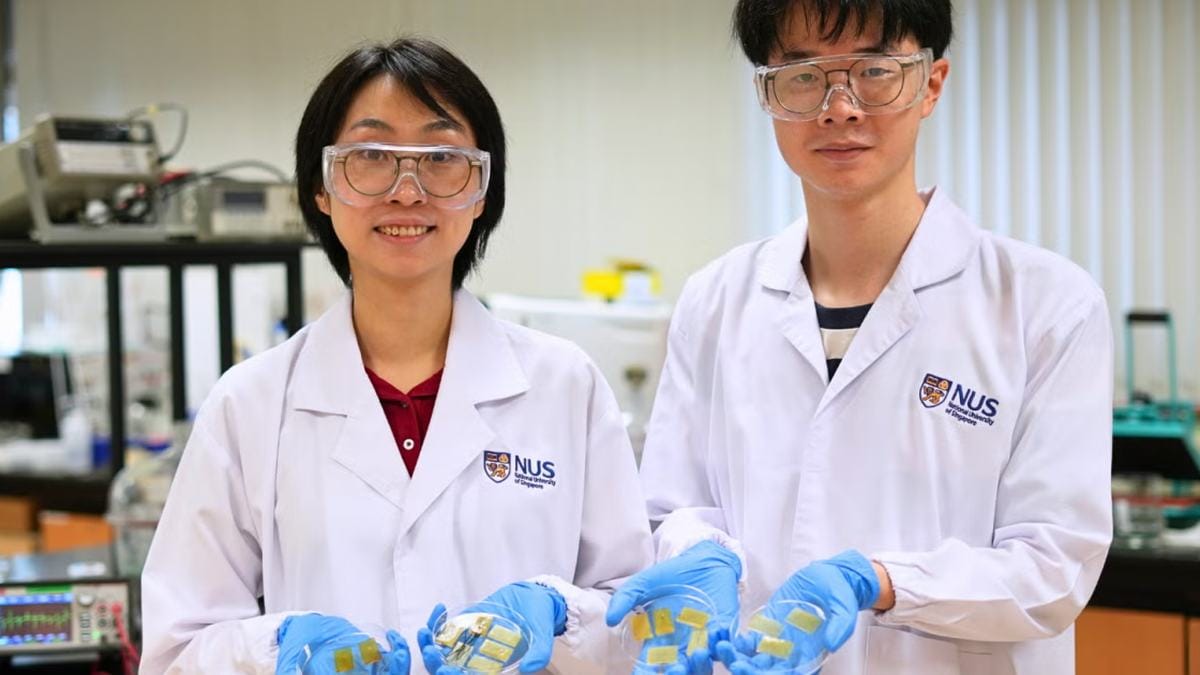
What is it: NUS researchers built a stretchable electronic skin that can sense touch, spot nearby objects, detect cuts, and repair itself underwater. The magnetoelectric material was tested on a smart diving glove and robotic hand, giving aquatic machines something closer to pain and healing instead of fragile sensors that must be hauled back to land for repairs. Read more →
Cargo Drone Gets a Twin

What is it: Archer unveiled Halo, a civilian version of the Thunder autonomous tiltrotor developed with Anduril. The hybrid-electric aircraft drops the weapons but keeps the modular airframe, vertical takeoff, 320-mph top speed, 800-nautical-mile range, and shipping-container transport, aiming the same strange loyal-wingman engineering at cargo, maritime, medical, and energy work in remote areas where infrastructure is thin. Read more →
Phone Eats Its Bezels

What is it: Tecno is teasing a concept smartphone with a claimed zero-millimeter border ahead of IFA 2026. The company says new internal stacking and screen packaging remove the last visible bezel around the display, turning the long-running all-screen phone race into a near-borderless slab that may also test how users actually hold it without a visible frame. Read more →
DJI Mics Record Themselves
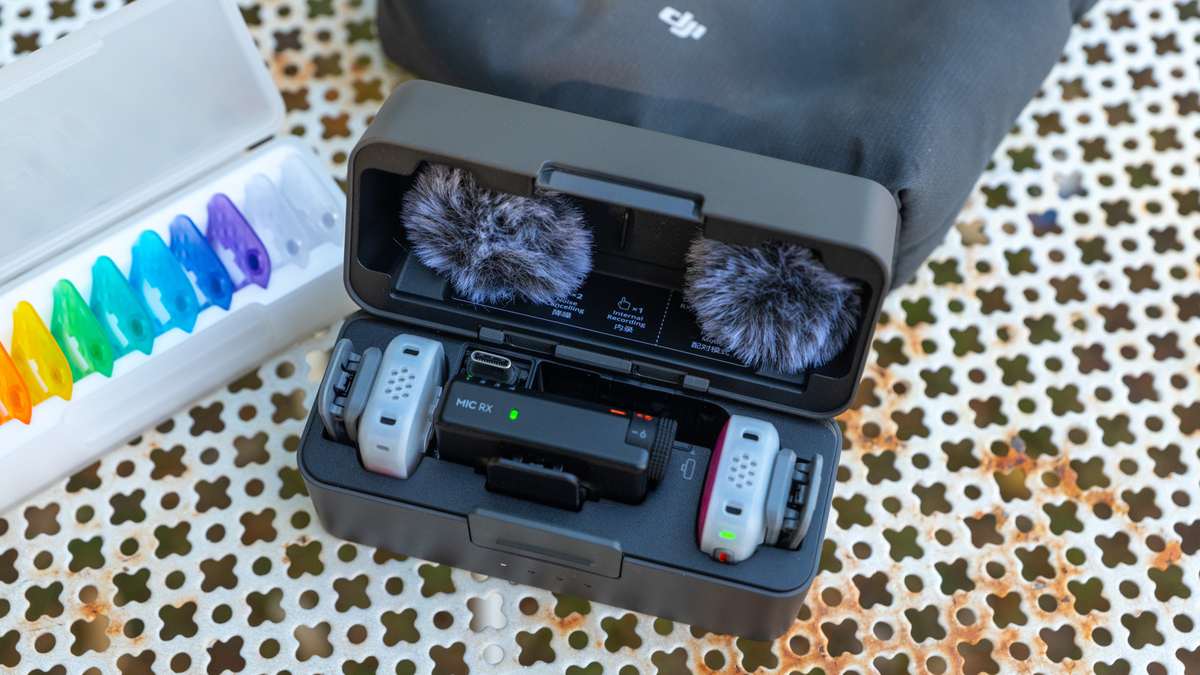
What is it: DJI's Mic Mini 2S adds the feature creators kept missing from the tiny wireless mic line: internal 32-bit float recording. Each 12-gram transmitter carries 14.5GB of storage, enough for roughly 21 hours of high-dynamic-range backup audio, while AI noise cancellation, four-transmitter support, and a charging case keep it pocket-friendly for travel shoots on the road. Read more →
Clothes Fight Computer Vision

What is it: Simon Weckert's digital camouflage collection turns clothing into a wearable shield against AI surveillance. The garments use computational noise patterns designed to interfere with computer vision systems that detect people, making fashion behave less like self-expression and more like a soft, street-level attempt to confuse the machines watching public space without armor in plain sight. Read more →
Heat Gets a Cloak
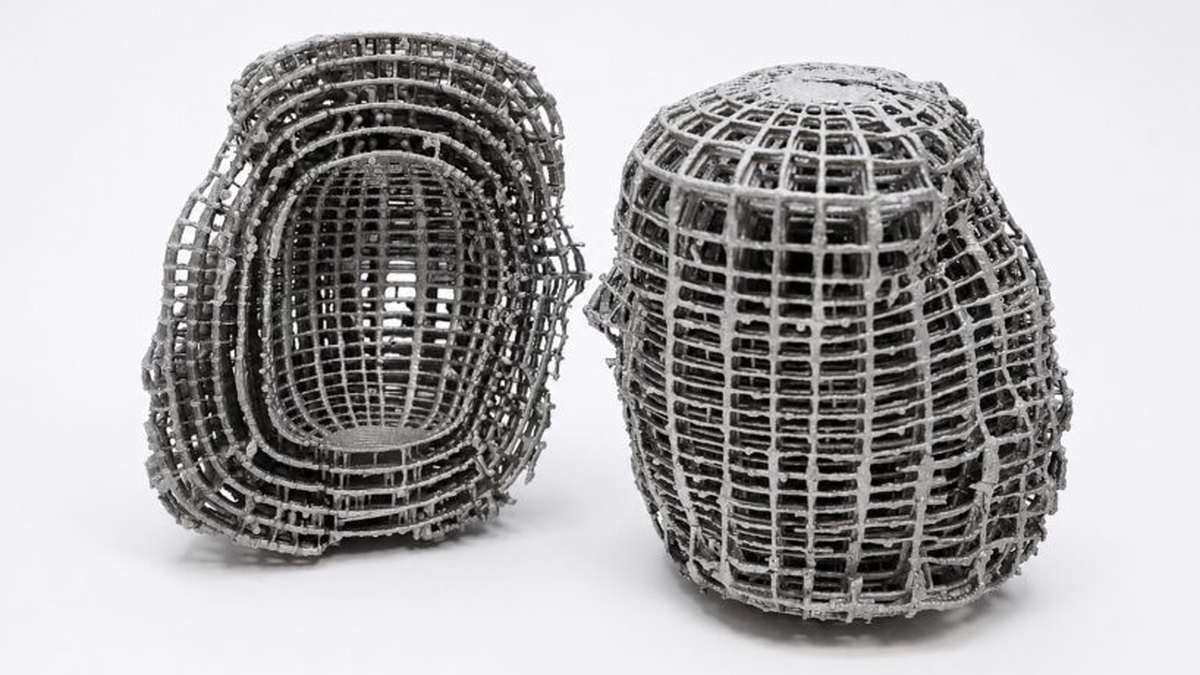
What is it: A 3D-printed thermal cloak uses carefully shaped aluminum latticework to redirect heat around complex objects. Instead of hiding something with fabric or pixels, the structure changes the path of temperature flow so infrared cameras see a smoother thermal field, turning heat management into a physical camouflage trick for sensors and electronics without moving parts inside. Read more →
Glasses Remember the Room
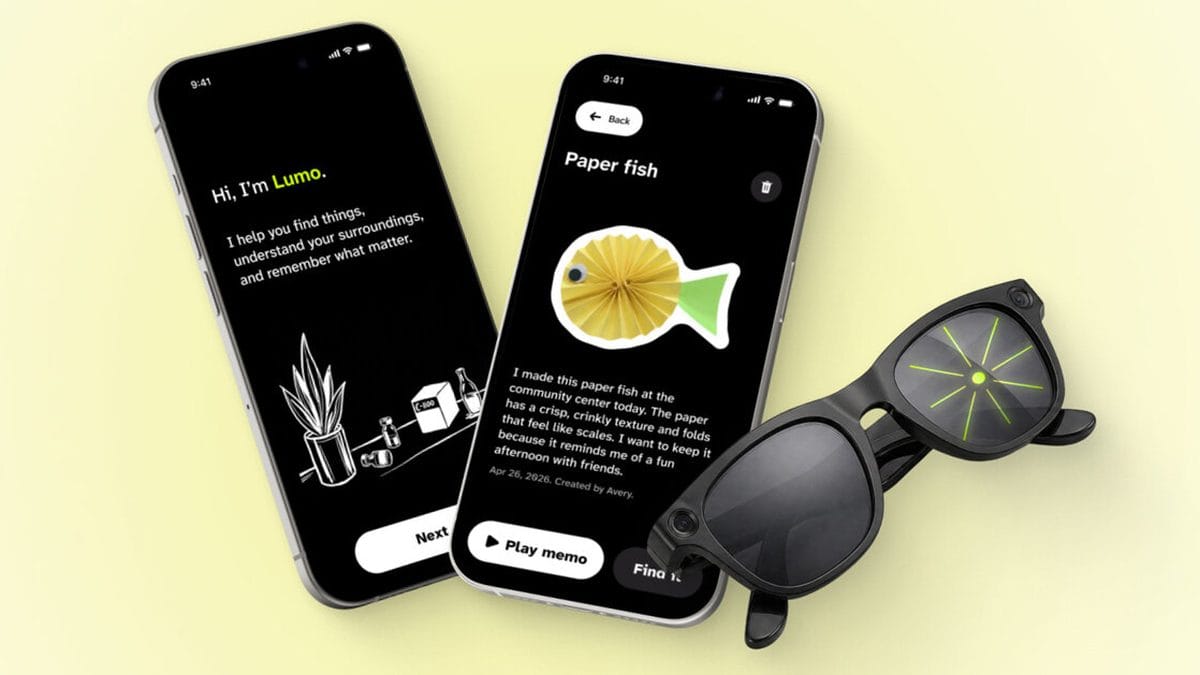
What is it: Lumo is an AI smart-glasses concept for low-vision users that links perception, memory, and accessibility into one wearable assistant. The glasses are designed to recognize surroundings, provide adaptive visual guidance, and help users recall contextual information, making eyewear act less like a camera gadget and more like a quiet interpreter for daily spaces without shouting instructions. Read more →
Sneakers Ditch the Glue
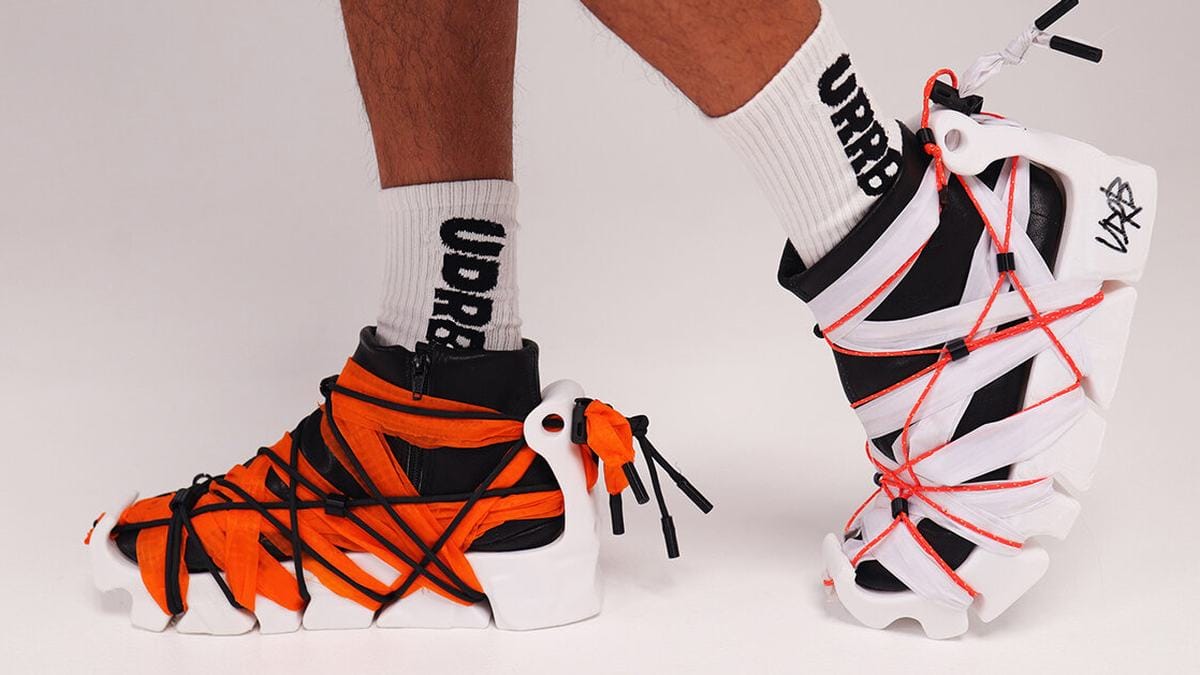
What is it: Daniyar Uderbekov's UDRB sneaker system combines 3D-printed TPU soles with traditional Central Asian footwear ideas to make a glue-free, repairable shoe. The modular design uses separable leather sock-boots, rope, and parachute-fabric fastenings, letting worn parts be replaced instead of throwing away the whole sneaker just because one layer fails or wears out before the rest. Read more →
Tennis Balls Become Shoes
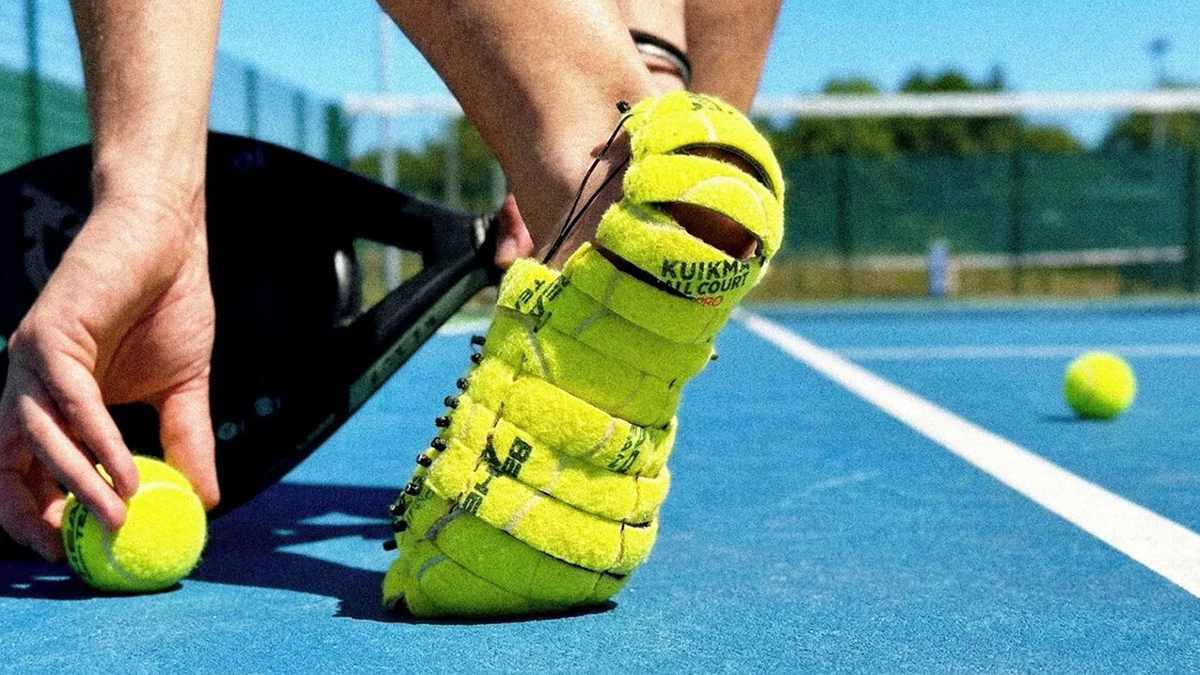
What is it: Soroosh Riazi Isfahani's SLICE project turns discarded tennis balls into wearable shoes by cutting them into repeatable components instead of grinding them into anonymous recycled material. Custom 3D-printed guides preserve the ball's rubber curve and fuzzy texture, rebuilding sports waste into footwear that still visibly remembers its first life on court instead of landfill forever. Read more →
READ MORE
Let the Future Come to Your Inbox
Stay ahead without drowning in information. We turn the most important signals across AI, tech, marketing, and future products into 5-minute reads you can actually finish.
- AI Secret uncovers what really matters in AI
- Bay Area Letters decodes tech and business shifts from Silicon Valley
- Robotics Herald tracks how robots move from labs into daily life
- Marketing Secret breaks down real growth and go-to-market playbooks
- The Hardwire explores hardware, consumer tech, and what’s coming next
TOGETHER WITH US
AI Secret Media Group is the world’s #1 AI & Tech Newsletter Group, reaching over 2 million leaders across the global innovation ecosystem, from OpenAI, Anthropic, Google, and Microsoft to top AI labs, VCs, and fast-growing startups.
We've helped promote over 500 Tech Brands. Will yours be the next?
Email our co-founder Mark directly at mark@aisecret.us if the button fails.